Loughborough Junction sofa cleaning lowdown Brixton
Posted on 09/08/2026
Loughborough Junction sofa cleaning lowdown Brixton: the practical guide for fresher upholstery
If your sofa in Loughborough Junction is looking a little tired, you are not alone. Between daily use, takeaway nights, muddy shoes, pet hair, and the general dust that settles into London homes, upholstery can start to feel dull surprisingly quickly. This Loughborough Junction sofa cleaning lowdown Brixton guide breaks down what actually works, what to avoid, and when it makes sense to call in a specialist. No fluff. Just straightforward, local advice that helps you protect your furniture and get a better result.
Whether you are dealing with a small spill, a stubborn traffic lane of grease on the armrest, or a full refresh before guests arrive, the aim is the same: clean the sofa properly without damaging the fabric, shrinking the cushions, or turning a small mark into a bigger one. And let's face it, with a decent sofa, you want it to look good for longer.
Why Loughborough Junction sofa cleaning lowdown Brixton matters
Sofas are one of those things you stop noticing until they suddenly become impossible to ignore. A faint smell, a patch of darkening on the arm, crumbs trapped in the seams, or that slightly sticky feel on the seat cushion can all make a room feel less fresh. In homes around Loughborough Junction and wider Brixton, that matters because the sofa tends to be the centre of daily life: relaxing, working, eating, entertaining, sometimes all in the same evening.
Regular sofa cleaning is not just about appearance. It helps reduce the build-up of oils, dust, food residue, and allergens that settle into fabric over time. It also helps upholstery last longer. That is the key point many people miss. A proper clean is less about making fabric look temporarily neat and more about slowing wear.
If your sofa sits near a window, radiator, or busy walkway, it may pick up grime faster than you expect. If you live in a flat where space is tight, you may also notice odours more quickly because air circulation is different. Small things, but they add up.
For anyone comparing upholstery cleaning with broader household care, it is worth looking at the bigger picture too. A lot of people in the area combine sofa care with deep cleaning in Brixton or even a broader seasonal reset through spring cleaning services in Brixton. That can be a smart move when you want the whole room to feel properly refreshed, not just one item.
Expert summary: The best sofa cleaning approach depends on the fabric, the type of soiling, and how recently the stain appeared. Quick action helps, but careful method matters more than speed.
How Loughborough Junction sofa cleaning lowdown Brixton works
The process is usually simpler than people think, but the details matter. Professional sofa cleaning typically starts with inspection. The cleaner checks the fabric type, the construction of the sofa, visible stains, and any care labels or manufacturer guidance. That assessment helps determine whether the sofa needs low-moisture cleaning, hot water extraction, dry methods, or a more targeted spot treatment.
At a practical level, cleaning usually follows these stages:
- Inspection and testing - the fabric is checked for colour fastness and sensitivity before any treatment is applied.
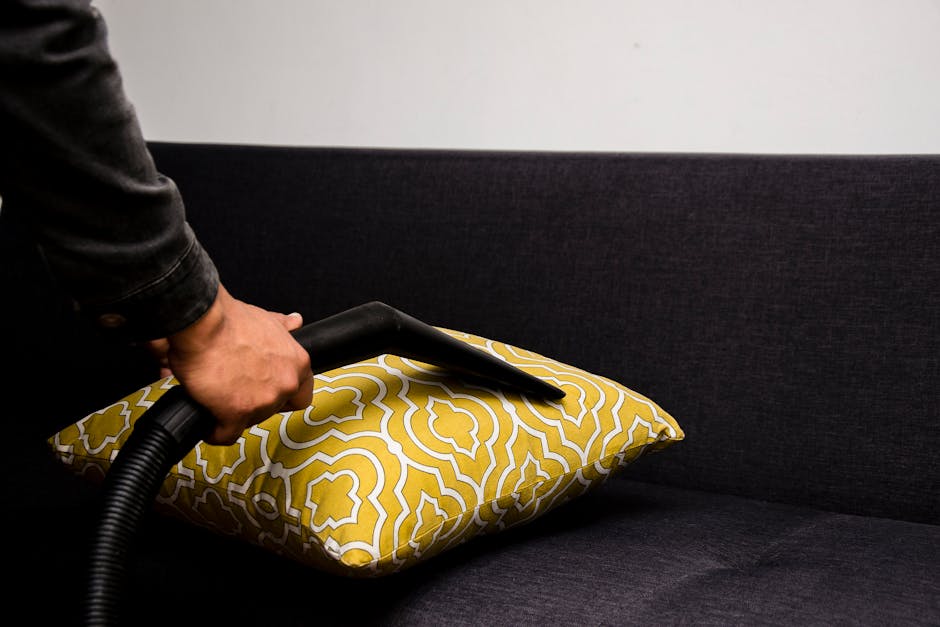
- Dry soil removal - crumbs, dust, pet hair, and grit are removed first, often with vacuuming and detailed nozzle work in seams and edges.
- Pre-treatment - stains, body oils, and heavily used zones get a suitable pre-spray or spot treatment.
- Main clean - the chosen method is applied carefully and evenly.
- Rinse or residue removal - this step helps prevent sticky build-up that can attract dirt again.
- Drying and finishing - airflow, repositioning cushions, and final checks complete the job.
The main thing to understand is that there is no single "best" method for every sofa. A sturdy synthetic fabric can often tolerate more intensive cleaning than a delicate woven material. Velvet, for example, needs a much gentler touch. If you are interested in careful fabric-specific treatment, the same principle applies to other soft furnishings too; there is a useful guide on safe velvet curtain washing that shows how much fabric type changes the approach.
Truth be told, the biggest difference between a decent clean and a disappointing one is often restraint. Too much moisture, too much scrubbing, or the wrong chemical, and the sofa can end up looking worse. A lot worse, actually.
Key benefits and practical advantages
People usually think about sofa cleaning because of one visible issue, but the benefits stack up. Here is what a proper clean can do in real life.
- Improves appearance - faded-looking upholstery can regain a more even, brighter finish.
- Helps remove odours - food smells, pet scent, and general stale fabric odour can be reduced.
- Supports a healthier indoor environment - dust and trapped debris are reduced.
- Extends upholstery life - cleaning lowers the abrasive effect of grit and grime.
- Makes rooms feel more comfortable - a clean sofa can change how the whole space feels, especially in smaller Brixton flats.
- Supports move-out or move-in presentation - useful if you are preparing a rental, sale, or new tenancy.
There is also a practical financial angle. Replacing a sofa is expensive, disruptive, and not always necessary. Cleaning is often the more sensible middle ground, especially if the frame and cushioning are still in good condition. For landlords, tenants, and homeowners alike, that makes it an easy decision in many cases.
Anecdotally, people often notice the difference most in the evening, under warm lighting. The sofa can look "fine" in daylight, then suddenly reveal all its tiredness once the lamps come on. A proper clean tends to fix that subtle, slightly grubby look that your eye has been registering all along.
Who this is for and when it makes sense
This kind of cleaning is useful for a wide range of people in Loughborough Junction and the Brixton area. It is not only for "very dirty" sofas. In fact, acting earlier usually gives you a better result.
- Families - spills, snacks, sticky hands, and everyday wear build up fast.
- Pet owners - hair, dander, and odour can settle deep into upholstery.
- Tenants - if you want the property to feel tidy and presentable before an inspection or move-out.
- Homeowners - especially if the sofa is central to your living space and gets heavy use.
- Landlords and property managers - useful for furnished lets and post-tenancy refreshes.
- People hosting guests - if the sofa is part of the room guests see first.
When does it make sense to book a clean rather than keep spot-treating? A few signs stand out. If the sofa still smells after vacuuming, if stains are spreading when you try to dab them, if the cushions look unevenly dull, or if you cannot remember the last deep clean, it is probably time. Simple as that.
For some households, sofa cleaning becomes part of a bigger maintenance rhythm alongside upholstery cleaning in Brixton and carpet cleaning in Brixton. That combination works well because upholstery and flooring collect similar dirt patterns, just in different forms.
Step-by-step guidance
If you want to approach sofa cleaning sensibly, here is a practical way to do it without making things harder than they need to be.
- Identify the fabric
Check the care label if you can. Not every sofa can take the same treatment, and guessing is where people come unstuck. - Vacuum thoroughly
Use a soft brush attachment and work into the seams, under the cushions, and along the back. You will be surprised how much comes out. - Test any product first
Always test on a hidden area. Wait for it to dry before you decide it is safe. Patience here saves grief later. - Deal with spills quickly
Blot, do not rub. Rubbing spreads the stain and can roughen the fibres. - Use the right method for the issue
Greasy marks, drink spills, pet accidents, and general dullness all need different treatment. - Avoid over-wetting
Too much water can leave tide marks, long drying times, or even odour trapped in the filling. - Let the sofa dry properly
Open a window if weather allows, keep cushions spaced out, and do not rush to sit on it again. - Finish with a final inspection
Check the arms, seat fronts, and seams in good light. These are the places that tend to reveal missed residue.
If the stain is old, set-in, or on a delicate fabric, it may be better to stop the DIY experiment before it becomes a fabric rescue mission. Not glamorous, but wise.
Expert tips for better results
In our experience, the best results come from small, disciplined habits rather than heroic cleaning effort. A few things really do make a difference.
- Work from the outside of a stain inward so the mark does not spread.
- Use gentle pressure; upholstery does not reward aggressive scrubbing.
- Vacuum regularly even when the sofa looks clean. Dirt builds invisibly.
- Rotate cushions if the design allows it, to even out wear.
- Treat fresh spills immediately. The first ten minutes matter more than people think.
- Keep food grease away from fabric where possible, especially on pale or textured upholstery.
One slightly overlooked tip: smell the sofa after it dries. If it still has a sour, damp, or musty edge, that often means residue remains inside the fabric or filling. That is a clue, not a failure. It just tells you the cleaning needs to go deeper or be repeated carefully.
Another useful habit is to clean the surrounding area at the same time. A sofa in a dusty room will not stay fresh for long. If the whole space needs attention, a one-off cleaning in Brixton can be a practical way to reset things without committing to ongoing visits.
Common mistakes to avoid
This is where a lot of good intentions go sideways. The mistakes are usually small, but they can have a big impact.
- Scrubbing too hard - this can damage the pile or push the stain deeper.
- Using bleach or harsh chemicals - not worth the risk, especially on coloured or mixed fabrics.
- Skipping the test patch - a tiny hidden test saves you from a visible disaster.
- Using too much water - over-wetting causes long drying times and possible staining.
- Ignoring the care label - the label exists for a reason, annoying as that may be.
- Trying to cover a stain before it is dry - that can lock in odour or leave a mark ring.
- Waiting too long to clean spills - older stains are usually harder and more costly to treat.
There is also a behavioural mistake: assuming all sofa cleaning services are the same. They are not. A better provider will explain the process, identify fabric risks, and be honest about what results are realistic. If someone promises perfection on every fabric without even asking what the sofa is made from, that is your cue to be cautious.
Tools, resources and recommendations
You do not need a giant kit to keep a sofa in decent shape. A few sensible tools go a long way.
- Vacuum cleaner with upholstery attachment for routine dust and crumb removal.
- Soft brush for loosening surface dirt before vacuuming.
- Clean white microfibre cloths for blotting spills and checking transfer.
- Fabric-safe cleaning product chosen for the material, not for its smell or marketing promise.
- Small bowl of lukewarm water for cautious blotting when appropriate.
- Dry towels to help absorb moisture after treatment.
If you are building a cleaner home overall, it can help to look at related services too. For broader upkeep, house cleaning in Brixton, domestic cleaning in Brixton, and the services overview can give you a sense of how upholstery care fits into a larger routine. If you are managing a workspace, office cleaning in Brixton may be the more relevant route, particularly for reception seating and communal areas.
For more local reading and nearby context, the site's blog also includes pieces such as Coldharbour Lane carpet cleaning in Brixton SW9 and the Brixton Market upholstery guide for traders in SW2. Those can be useful if you want to understand how cleaning needs vary across different settings.
Law, compliance, standards, or best practice
For sofa cleaning, the most important point is not a niche law or a headline-grabbing rule. It is safe handling, informed treatment, and respect for the materials you are cleaning. In the UK, professional cleaners are generally expected to work carefully, use suitable products, and avoid causing avoidable damage or safety risks. That includes being cautious around moisture, ventilation, and any chemical used indoors.
If you are hiring a cleaner, a few best-practice questions are sensible:
- Do they ask about fabric type before quoting?
- Do they explain the cleaning method they expect to use?
- Do they carry insurance and work with safety in mind?
- Do they make realistic claims about stains?
- Do they provide clear terms and expectations?
It is also fair to expect transparency on payment and booking terms. If you are comparing providers, pages like pricing and quotes, payment and security, and terms and conditions are worth checking so you know what to expect before the work begins.
From a practical safety point of view, drying is not a minor detail. Upholstery that stays damp too long can create discomfort, odour, or a poor finish. Good airflow, measured product use, and sensible scheduling matter. Honestly, that is where experience shows itself.
Options, methods, or comparison table
Different sofas call for different methods. This table gives a simple overview of the most common approaches, with the caveat that the exact result always depends on fabric, staining, and age of the item.
| Method | Best for | Strengths | Limitations |
|---|---|---|---|
| Vacuum and spot clean | Light maintenance, fresh spills | Fast, low-cost, useful between deeper cleans | Won't remove embedded grime |
| Low-moisture upholstery cleaning | Delicate or moisture-sensitive fabrics | Gentler, quicker drying | May be less effective on heavy soiling |
| Hot water extraction | Durable synthetic upholstery, deeper soil | Strong cleaning power, good for traffic areas | Not suitable for every fabric and needs careful drying |
| Dry or specialist treatment | Very delicate fabrics, certain velvets or heritage pieces | Reduced moisture risk, targeted approach | Often more specialist and not always suitable for all stains |
If you are unsure which route suits your sofa, the safest answer is usually the least aggressive method that will still solve the problem. Not very dramatic, but it works. A lot.
When the sofa is part of a bigger refresh before moving out, settling in, or clearing a flat for new occupants, pairing upholstery work with end of tenancy cleaning in Brixton can make the whole job more manageable.
Case study or real-world example
Picture a typical Brixton living room on a Friday evening. The sofa has coffee marks near one arm, a faded patch in the centre seat, and a general used-in-the-real-world look. Nothing dramatic, just enough to make the room feel less tidy than it should. The owner has tried blotting one stain with a random cloth and a little too much enthusiasm, which only made the patch wider. Classic.
The better approach in this sort of scenario is usually to stop adding moisture, vacuum the whole sofa, test a safe fabric treatment on the hidden side, and treat the marks separately rather than one at a time in a rush. A specialist would first check whether the fabric can take a wetter process or whether it needs a lighter touch. Then the heavy-use areas, especially the seat fronts and armrests, would be treated evenly so the finish does not look patchy.
What tends to stand out after a proper clean is not just the stain reduction. It is the whole room. The cushions look less tired. The fabric seems less flat. The smell of old tea and pet hair fades. The sofa does not scream "new", because that would be unrealistic, but it does quietly give the room back some dignity. That is usually what people want anyway.
For homes near busier parts of Brixton, that kind of improvement can be especially noticeable because everyday dust and movement make upholstery wear more visible. The difference is subtle at first, then suddenly obvious once you sit down again.
Practical checklist
Before you clean your sofa, run through this quick checklist. It saves time and prevents a few very annoying mistakes.
- Check the care label or fabric guidance.
- Vacuum the sofa thoroughly, including seams and under cushions.
- Test any cleaning product on an unseen area.
- Blot spills instead of rubbing them.
- Use only the amount of moisture the fabric can handle.
- Allow proper drying time with airflow if possible.
- Rotate or reset cushions once dry.
- Inspect the sofa in good light for any residue or tide marks.
- Book a professional clean if the stain is old, large, or on delicate fabric.
- Keep a note of what products were used, just in case you need to repeat the process later.
Quick takeaway: a careful sofa clean is usually about method, not force. If you get the fabric right, the rest becomes much easier.
If your sofa needs more than a surface tidy, the next sensible step is simple: speak to a local cleaner who understands upholstery, fabric types, and the realities of London homes. If you want help planning the job, you can also review about us before deciding what feels right.
Get a free quote today and see how much you can save.
Conclusion
The real Loughborough Junction sofa cleaning lowdown Brixton is this: upholstery looks easy until it isn't. The best results come from matching the method to the fabric, treating stains early, and keeping the process measured. Not rushed. Not overdone. Just sensible, careful work.
Whether you are freshening up a family sofa, preparing for guests, or trying to rescue a beloved piece that has seen one too many takeaway nights, a good clean can make the whole room feel lighter and more liveable. And that feeling matters more than people think.
Take your time, choose the right approach, and do the small things well. That is usually what makes the difference between "better" and genuinely satisfying.