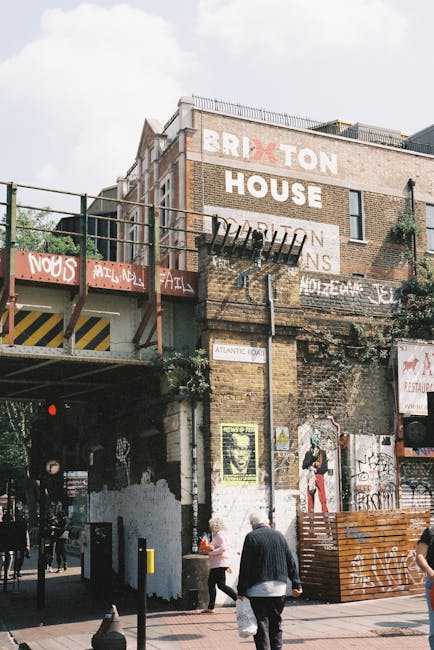
Brixton Market upholstery cleaning guide for traders SW2
Posted on 17/07/2026
If you trade at Brixton Market, you already know the pace: early deliveries, hand-to-hand customer traffic, coffee cups balanced on edges, and the odd spill when things get busy. Upholstered seating, display stools, fabric chairs, waiting benches, and soft furnishings work hard in that environment. This Brixton Market upholstery cleaning guide for traders SW2 is here to help you keep them looking presentable, hygienic, and ready for the next rush without overcomplicating the job.
Truth be told, upholstery in a busy market unit is often judged before anything else. Customers may not consciously notice a clean armrest, but they absolutely notice a grimy one. In a place like Brixton, where style, footfall, and first impressions all matter, regular care is not a luxury. It is part of the trading environment.
This guide walks you through what matters, how upholstery cleaning works in practice, which methods suit different fabrics, the mistakes traders make when time is tight, and how to plan maintenance around a real working week. No fluff. Just useful, local, workable advice.
Why Brixton Market upholstery cleaning guide for traders SW2 Matters
Brixton Market is not a showroom, and that is exactly why upholstery care matters. Traders work in close quarters, often with limited storage, narrow walkways, and plenty of daily movement. Upholstered surfaces pick up dust, food marks, sweat, oils from hands, and odours faster than people expect. In a market setting, one tired-looking chair can drag down the feel of an entire pitch.
Clean upholstery also supports your wider brand. If you sell food, offer consultations, run a beauty service, or simply welcome customers into a seated area, the condition of your furnishings quietly tells people whether you care about detail. That matters in SW2, where customers are often comparing one stall or unit to the next in seconds.
There is also the practical side. Dirty fabric can trap allergens and smells, and once stains settle in, they become more expensive and stubborn to deal with. A small spill handled properly is a nuisance. The same spill left for weeks can become a permanent problem. We have all seen that one chair that is somehow "temporary" for two years. Not ideal.
If your business also needs wider cleaning support, it can help to look at related services such as office cleaning in Brixton or deep cleaning in Brixton, especially if your market unit includes a back room, staff area, or customer seating space.
How Brixton Market upholstery cleaning guide for traders SW2 Works
Upholstery cleaning is not one single method. It is a process built around the fabric type, the soil level, the type of stain, and how quickly the item needs to be back in service. That is why the first step is always inspection. You identify the material, test for colourfastness in an inconspicuous spot, and decide whether the item needs dry cleaning, low-moisture cleaning, or a deeper extraction approach.
In a market environment, speed and downtime matter. If your chair needs to be usable by the afternoon rush, a very wet method may not be practical. If it is a heavily used fabric bench in a waiting area, a more thorough clean may be worth the extra drying time. Good upholstery cleaning balances results with business continuity. Sounds obvious, but it gets overlooked all the time.
Most professional cleaning visits follow a sequence:
- Assessment of fabric, condition, and visible stains.
- Pre-treatment of spots, edges, and high-contact areas.
- Selection of the safest cleaning method for that material.
- Cleaning using controlled moisture or specialised products.
- Extraction or residue removal where needed.
- Drying support and final inspection.
That process helps prevent issues like watermarking, shrinkage, over-wetting, or dye transfer. If you are already thinking about broader hygiene schedules, the cleaner often fits into a wider pattern of routine maintenance rather than a one-off panic clean after a spill. More on that shortly.
Key Benefits and Practical Advantages
The benefits of regular upholstery cleaning go beyond appearances, though appearances are a big part of it. For traders in Brixton Market, the real value tends to show up in small everyday wins.
- Better first impressions: Customers see a cared-for business, not a tired corner with stained fabric.
- Longer furniture life: Dirt acts like abrasion. Over time, it wears fibres down.
- Improved hygiene: Regular cleaning removes the build-up that dusting alone cannot touch.
- Odour control: Food smells, damp, and general market traffic can cling to soft furnishings.
- Lower replacement costs: Well-maintained items usually last much longer.
- Less disruption: Planned cleaning is easier than emergency replacement. Much easier.
There is also a softer benefit that traders sometimes mention after a proper clean: the unit just feels fresher. The air seems lighter, the seating area feels more inviting, and staff notice it too. It is a small thing, but in a busy trading space, small things stack up.
For traders planning broader upkeep, a service like spring cleaning in Brixton can be a sensible way to reset your space seasonally, especially if upholstery, carpets, and hard floors all need attention at once.
Who This Is For and When It Makes Sense
This guide is for anyone trading from, beside, or around Brixton Market who relies on upholstered furniture in the customer-facing part of their business. That includes cafe operators, food traders with seating, beauty and grooming services, boutique retailers with waiting chairs, creative studios, market stalls with soft display seating, and shared spaces used by staff or guests.
It also matters if your business has a smaller footprint. In a compact unit, one stained chair can dominate the room visually. You do not need a lounge full of sofas for upholstery cleaning to matter. A pair of waiting chairs in a front area can make just as much difference.
Cleaning makes sense when you notice any of the following:
- Visible marks, dark patches, or greasy areas on arms and headrests
- Lingering smells after food service or heavy customer use
- Dust build-up around seams, buttons, or piping
- Customers avoiding seating that looks tired
- Staff mentioning the furniture feels sticky or dull
- You are preparing for a busy trading period, event, or inspection
It is also sensible after a weather shift. London's damp days can make soft furnishings feel a bit musty, especially when doors are constantly opening and closing. One wet week can do more damage than people expect.
If your needs stretch beyond furniture, you may also want to browse the site's wider cleaning information at services overview or compare related support like carpet cleaning in Brixton for the floors that take the same daily battering.
Step-by-Step Guidance
If you want upholstery cleaning to work properly in a market setting, the best approach is structured and realistic. Here is a trader-friendly process.
1. Identify the fabric before you do anything else
Fabric type changes the whole plan. Cotton-blend seating, synthetic office chairs, wool mixes, velvet, leather, and faux leather all behave differently. A cleaning method that is harmless on one can be risky on another. If you are not sure what you have, do not guess. That is where avoidable damage starts.
2. Check for stains, smells, and wear patterns
Look at armrests, seat fronts, backs, and seams. These are the places that collect the most grime. If there is a spill, note whether it is water-based, greasy, food-related, ink, or cosmetic. Some marks spread when they are touched too early, so it helps to know what you are dealing with.
3. Clear the area and protect nearby stock
Market units can be tight. Move food, packaging, display goods, and delicate items out of the way. If cleaning is happening during a quieter period, good; if not, a little planning avoids chaos. The smell of cleaning product in a confined shop can drift faster than you think.
4. Pre-treat the problem spots
Spot treatment helps loosen embedded soil, but the product must suit the fabric. A professional will usually choose a gentle approach and avoid over-saturating the item. Heavy scrubbing is rarely the answer. It just pushes soil deeper and roughs up the pile.
5. Clean using the right method for the material
Depending on the fabric, the cleaner may use low-moisture cleaning, controlled hot water extraction, or specialised solvent-based treatment. The key is to match the method to the material and the drying time you can afford. A brilliant clean that keeps your chair out of action for two days is not always brilliant, if you know what I mean.
6. Speed up drying and ventilate properly
Open doors where suitable, use airflow, and avoid putting the item back under full use too early. Pressing customers or staff onto damp upholstery leads to re-soiling and odd smells. Patience here pays off. Just a bit longer, and you save yourself the headache.
7. Finish with a maintenance reset
Once clean, think prevention. Add a quick weekly wipe-down, a monthly inspection, and a note of any repeat problem areas. If the same chair keeps staining, the layout or use pattern may need changing, not just the cleaning schedule.
Expert Tips for Better Results
A few practical habits make a huge difference. They are simple, but honestly, simple is often what gets results.
- Act fast on spills: Blot, do not rub. Rubbing spreads the mess and drives it into the fibres.
- Keep a fabric record: If you own several units or tables, note which materials are where. It saves time later.
- Test in a hidden area: Even "safe" products can react differently on dyes and blends.
- Rotate seating where possible: This spreads wear and keeps the front-of-house looking more even.
- Choose cleaning windows carefully: Late morning or after-hours often works better than trying to squeeze in a job mid-service.
- Use covers where they make sense: Not everywhere, not all the time, but in some high-risk spots they help.
One overlooked tip: photograph your furniture when it is freshly cleaned. It gives you a reference point for future wear, and it helps staff see the standard you are aiming for. You will notice dirt faster once you have a visual baseline. Strange, but true.
For delicate fabrics or decorative items, it can be useful to read up on specialist textile care, such as the approach used in safe velvet curtain washing. Different fabric, yes, but the same principle applies: gentle methods protect the material and the finish.
Common Mistakes to Avoid
Most upholstery damage does not happen in one dramatic moment. It builds through small mistakes. The sort of thing done in a hurry between customers. We have all been there.
- Using one cleaner on everything: Universal sprays are rarely universal in practice.
- Over-wetting fabric: Too much moisture can cause odours, shrinkage, or stain bleed.
- Scrubbing aggressively: This can rough up fibres and spread the mark wider.
- Ignoring the underside or seams: Dirt gathers there and often returns to the surface.
- Cleaning too close to opening hours: Damp furniture and customer traffic are not friends.
- Waiting until the item looks terrible: By then, the work is harder and the risk is higher.
Another common issue is assuming that a chair looks fine because the surface is not obviously stained. But body oils, dust, and air pollution build up gradually. Soft furnishings can look "a bit flat" long before they look dirty. That is usually the warning sign.
Tools, Resources and Recommendations
You do not need a warehouse of equipment to keep upholstery in decent shape, but a few practical tools help enormously.
| Tool or resource | What it helps with | Why traders find it useful |
|---|---|---|
| Microfibre cloths | Blotting fresh spills and light dust removal | Soft on fabric and easy to keep on hand |
| Fabric-safe spot treatment | Localised stains | Lets you act quickly without flooding the item |
| Soft brush or upholstery brush | Lifting dry soil from the surface | Helpful on textured fabric and seams |
| Portable vacuum with upholstery attachment | Regular dust and crumb removal | Good for daily or weekly upkeep |
| Fan or air movement | Drying after a clean | Reduces downtime in a busy unit |
| Professional upholstery cleaning service | Deep cleaning and stain removal | Best for delicate fabrics and heavier soiling |
From a business standpoint, it is often worth pairing upholstery care with other routines. If you are already planning a unit refresh, one-off cleaning in Brixton can cover the wider space without turning maintenance into a weekly headache. For businesses that need a more regular schedule, browsing about us can help you understand the kind of local service standards to expect before booking.
Law, Compliance, Standards, or Best Practice
For traders, upholstery cleaning sits within wider workplace hygiene, safety, and care expectations. The exact duties vary depending on your business type, premises, and use of the space, so it is wise to treat this section as best-practice guidance rather than legal advice.
In practical terms, that means you should:
- Keep cleaning products stored safely and used according to manufacturer guidance
- Make sure staff know what to do if a spill, slip, or chemical issue occurs
- Avoid leaving wet furniture in a way that creates a slip or trip hazard
- Use methods suitable for the fabric, especially where customers sit directly on the item
- Keep your cleaning schedule sensible and documented if you have staff areas or customer-facing seating
If your unit is part of a larger commercial operation, it is worth looking at your own internal health and safety procedures as well. A thoughtful routine is often better than a messy compliance folder full of wishful thinking. The plain-English version: clean safely, dry properly, and do not improvise with chemicals you do not understand.
You can also review the site's policy pages such as health and safety policy, insurance and safety, and terms and conditions if you want to understand how a professional service frames its work. Those pages are useful because they remind you what a reputable provider should be thinking about before they touch your furnishings.
Options, Methods, or Comparison Table
Different upholstery cleaning methods suit different trading situations. The best choice depends on fabric, speed, and how much disruption you can tolerate. Here is a simple comparison.
| Method | Best for | Strengths | Watch-outs |
|---|---|---|---|
| Vacuum and light maintenance | Daily or weekly upkeep | Fast, cheap, keeps dust down | Will not remove deep stains or odours |
| Spot treatment | Fresh marks and isolated spills | Quick response, limited downtime | Can leave rings if used badly |
| Low-moisture cleaning | Busy market units and delicate fabrics | Quicker drying, less disruption | May not suit very heavy soiling |
| Hot water extraction | Hard-wearing fabrics and deeper build-up | Strong deep-clean effect | Longer drying time, not ideal for every textile |
| Specialist fabric treatment | Velvet, patterned, or sensitive upholstery | Best protection for tricky materials | Needs careful assessment and experienced handling |
For many Brixton Market traders, the practical sweet spot is a mix of light upkeep plus periodic professional cleaning. That way, the furniture never gets too far gone. Which is nicer for you, and probably nicer for the fabric too.
Case Study or Real-World Example
A typical scenario might look like this: a small SW2 food trader has two upholstered waiting chairs near the service counter. Over a few months, one chair starts showing visible darkening on the arms and a faint smell from repeated customer use, especially after rainy days when coats drip near the seat. The staff wipe it down now and then, but the problem keeps returning.
Instead of replacing the chair, the trader does three things. First, they identify the fabric and stop using a harsh all-purpose spray. Second, they schedule a proper upholstery clean after closing, when the item can dry overnight. Third, they add a simple weekly vacuum and spot-check routine to stop build-up returning so fast.
The result is not dramatic in a movie sense. No magic wand. But the chair looks brighter, the seating area feels cleaner, and customers stop avoiding that corner. The whole unit feels calmer. Those little improvements matter more than people admit.
That is the real lesson here: cleaning works best when it is part of the trading rhythm, not a one-off rescue mission.
Practical Checklist
Use this checklist before and after a cleaning session. It keeps the job tidy and helps avoid obvious mistakes.
- Identify the fabric type before applying any product
- Test cleaning solution in a hidden area
- Clear nearby stock, packaging, and breakables
- Vacuum the upholstery first
- Treat stains individually rather than soaking the whole item
- Allow enough drying time before reopening the seating area
- Check seams, corners, and arms after cleaning
- Note any marks that reappear so you can track recurring issues
- Reassess the cleaning schedule after busy periods
- Store products safely and label them clearly
If you want to keep the wider space in step with your upholstery care, it can be worth checking related support such as domestic cleaning in Brixton or house cleaning in Brixton for a broader sense of how regular upkeep is structured. Even though those pages are aimed at different settings, the housekeeping logic is similar: consistent care beats last-minute scrubbing, every time.
Conclusion
The best upholstery cleaning plan for Brixton Market traders SW2 is not complicated. Know your fabric, clean promptly, avoid over-wetting, and build a realistic routine around your trading hours. Do that, and your seating, stools, and soft furnishings will stay presentable for longer with less stress.
In a busy market, details carry weight. A clean chair, a fresh-smelling waiting area, and a tidy front space can quietly support customer confidence before a word is even spoken. That is especially true in Brixton, where people notice character, care, and finish.
If you are thinking about professional help, compare the condition of your upholstery with the rest of your unit and decide whether you need a one-off reset or a more regular maintenance plan. Sometimes the smartest move is simply getting ahead of the problem while it is still manageable.
Get a free quote today and see how much you can save.
If you would like to talk through your cleaning needs, you can also explore the wider site and then decide what suits your trading week best. No rush. Just practical steps, taken in the right order.