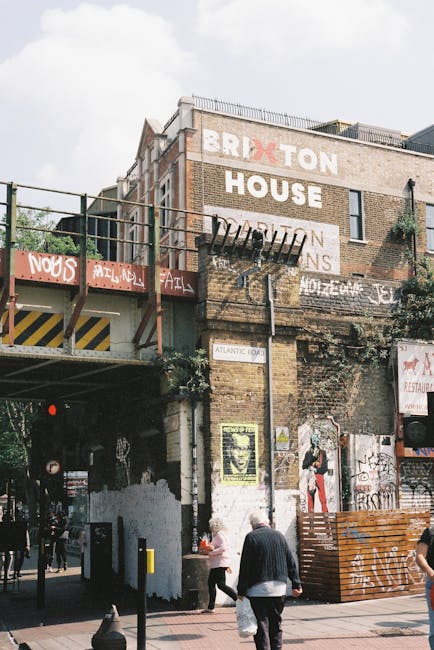
Brixton Academy venue cleaning and stain removal tips
Posted on 28/08/2026

Brixton Academy Venue Cleaning and Stain Removal Tips
Venue cleaning sounds simple until the night is over, the lights are down, and you are staring at a trail of drink spills, muddy footprints, food marks, and the odd mystery stain nobody wants to claim. That is exactly why Brixton Academy venue cleaning and stain removal tips matter: not just for keeping a famous event space looking sharp, but for protecting flooring, reducing downtime, and making the next event run smoothly. If you manage a venue, supervise an event crew, or simply want a better system for post-event clean-up, this guide gives you the practical steps that actually hold up in the real world.
You will find a clear process, stain-specific guidance, a checklist, and the kind of judgement calls that help you avoid turning a small spill into a bigger problem. Let's get into it.
Why Brixton Academy venue cleaning and stain removal tips Matters
Large entertainment venues have a very different cleaning rhythm from homes or small offices. There is more footfall, more moisture tracked in from outside, more food and drink in circulation, and usually far less time between one crowd leaving and the next one arriving. In a busy Brixton setting, that can mean everything from wet weather grit on carpets to dried drink rings on upholstered seating. If you leave those marks too long, they stop being "a quick tidy" and become set stains, wear patterns, or even odour issues.
That is the practical reason this topic matters. Stain removal is not only about appearance; it is about protecting surfaces, meeting expectations, and keeping the venue comfortable. A clean floor or seat does a lot of quiet work. It reassures guests, helps staff move faster, and cuts down on complaints that arrive the next morning, usually before coffee. Truth be told, the clean-up you do after an event often affects the reputation of the next event more than the event itself.
There is also the simple financial angle. A carpet that is cleaned correctly lasts longer than one that is scrubbed hard with the wrong product. Upholstery that is treated properly keeps its colour and texture. And when you are dealing with a venue that sees regular use, that added lifespan matters. If your cleaning needs are part of a wider maintenance plan, it can also help to look at services such as deep cleaning in Brixton or office cleaning support for back-of-house and staff areas that quietly gather grime.
A good venue clean is rarely dramatic. It is the steady, sensible routine that prevents one spill, one scuff, or one sticky patch from becoming everyone's problem later.
How Brixton Academy venue cleaning and stain removal tips Works
Venue cleaning works best when it is treated as a system rather than a reaction. The system usually has three parts: immediate spill response, targeted stain treatment, and scheduled deep cleaning. If you get those three layers right, the venue stays presentable without staff running around with cloths all night like they are in a very stressful race against time.
The first layer is fast response. Fresh spills are easier to lift because they have not had time to bond with fibres or surfaces. The second layer is stain-specific treatment. Coffee, wine, grease, ink, and mud all behave differently, so one "universal" method is rarely enough. The third layer is maintenance. That means extracting dirt from carpets, refreshing upholstery, and checking high-contact points that collect residue from repeated use.
In practice, the venue cleaning process often starts with a walk-through after the event. Staff identify the affected areas, note the fabric or floor type, and decide whether a spot clean is safe or whether the area needs specialist attention. This is where a little judgement saves a lot of trouble. For example, a damp mark on a synthetic carpet may respond well to careful blotting, while the same approach on delicate fabric can spread the stain and leave a tide line. If you want a broader view of regular cleaning support, the services overview is useful for understanding how different cleaning tasks fit together.
One more thing: venue cleaning is not only about the visible mess. Under chairs, behind bars, near entrances, and around stage edges are the spots that quietly gather dust, sticky residue, and grit. Those are often the places staff miss when they are rushing. And of course, the little things become the big things. A clean threshold prevents dirt from being walked deeper inside; a treated spill stops a lingering smell; a dry carpet reduces slip risk. Simple, but not always easy.
Key Benefits and Practical Advantages
There are several reasons venue managers and cleaning teams invest time in proper stain removal rather than just "tidying up enough." The benefits are practical, visible, and, to be fair, immediately noticeable.
- Better guest impression: Guests notice clean floors, fresh seating, and rooms that smell neutral rather than stale or sugary.
- Longer lifespan for materials: Carpets, curtains, runners, and upholstery last longer when stains are dealt with correctly and not scrubbed aggressively.
- Lower risk of repeat staining: Residues from drinks, food, and cleaning products can attract more dirt if they are left behind.
- Faster turnaround between events: A clear cleaning system helps staff reset the venue with less stress.
- Safer working conditions: Prompt clean-up reduces slips, sticky patches, and trip hazards.
- Less odour build-up: Spills on absorbent surfaces can smell long after the visible mark is gone.
There is also a quiet operational advantage. A venue that knows what to do after a spill tends to waste less time debating what happened and more time fixing the problem. That sounds obvious, but in busy environments the difference is huge. A small, trained response beats a flustered scramble every time.
If your venue also hosts private functions, it can help to review related event-space content such as ideal venues for parties in Brixton. The cleaner the venue standard, the smoother those event handovers tend to be.
Who This Is For and When It Makes Sense
This guide is for venue managers, duty supervisors, cleaning contractors, event teams, and staff members who are expected to deal with spills without making the situation worse. It is also useful for anyone looking after a performance venue, function room, hospitality space, or multi-use hall where carpets and soft furnishings take a beating.
It makes sense when you are dealing with regular foot traffic, ticketed events, drinks service, food concessions, or crowd-heavy evenings where accidental staining is almost guaranteed. If the venue hosts live music, comedy nights, club events, corporate functions, or community gatherings, the cleaning needs become a lot more demanding than standard domestic cleaning. In that setting, a one-size-fits-all approach is a poor fit.
It also matters if your venue has mixed materials. You may have hard flooring in public areas, carpet in VIP or backstage sections, upholstered chairs in meeting rooms, and heavy drapes on stage. Each surface needs a slightly different touch. For delicate fabrics and soft finishes, the advice in safe velvet curtain washing is a useful reminder that delicate materials need careful handling, not a quick blast of whatever is closest to hand.
And yes, this is the kind of thing people often only think about after a mess happens. That is fair enough. But the best time to sort a cleaning routine is before the red wine, before the muddy shoes, before the sticky stage entrance. Nice and boring. That is the point.
Step-by-Step Guidance
Below is a practical process you can use for post-event or in-shift stain response. Keep it simple, keep it calm.
- Identify the material first. Check whether you are dealing with carpet, vinyl, stone, wood, leather, or upholstery. The wrong method can set a stain deeper.
- Contain the spill. Use dry paper towels or a clean absorbent cloth to stop the spill spreading. Blot, do not rub. Rubbing pushes liquid into fibres and roughs up the pile.
- Remove loose debris. Lift food, glass fragments, mud, or grit carefully. If you skip this, you can grind dirt into the surface during cleaning.
- Test in a hidden spot. Even mild cleaners can affect colour or finish. A quick test behind a chair or under a seat is worth it.
- Apply the right treatment. Use a suitable stain method for the substance involved. A protein stain behaves differently from tannin, grease, or ink.
- Work from the outside in. This helps prevent the mark from blooming outward.
- Extract moisture thoroughly. A stain that looks gone but stays damp can create a ring or odour later.
- Inspect once dry. Some marks only show fully after drying. If needed, repeat carefully rather than overworking the area.
For carpets in high-traffic venues, a specialist approach often gives the best result. If the mark is recurring or the carpet has a general dullness rather than a single spot, carpet cleaning in Brixton is a sensible next step. For events that create a lot of overall mess rather than one visible stain, a one-off cleaning visit can be a good reset.
Practical stain response by type
- Spilled drinks: Blot quickly, then use a surface-appropriate cleaner. Sugary drinks can leave sticky residue even if the colour disappears.
- Food grease: Lift solids first, then treat gently. Heat is not your friend here; it can lock grease in.
- Ink or dye transfer: Use caution. Heavy rubbing can spread colour into a larger patch.
- Mud and grit: Let some of it dry if needed, then vacuum or lift before wet treatment. That sounds odd, but it works better than turning mud into a slurry.
- Cosmetic marks: Handle carefully, especially on upholstery or curtains. Delicate surfaces often need a softer process.
Expert Tips for Better Results
Small habits make the biggest difference. In our experience, the venues that stay in good shape are not necessarily the ones that clean hardest. They are the ones that clean smart.
- Keep a spill kit close to service points. If staff have to walk across the room to find cloths, paper towels, gloves, or warning signs, you have already lost time.
- Use white or colourfast cloths. You do not want to transfer dye from the cloth to the carpet. It happens more than people admit.
- Dry the area properly. Airflow matters. Damp patches attract dirt and can smell musty by the next day.
- Protect the edges of problem areas. A lot of staining reappears around the boundary of the cleaned patch, especially on carpets.
- Train staff to escalate early. If the stain is large, old, or on a delicate surface, do not keep experimenting.
- Match cleaning frequency to use. Weekly, nightly, or post-event cleaning plans should reflect how busy the venue really is.
A small real-world detail: venues that host late-night events often see more dirt build-up near entrances than in the centre of the room. Rain, grit, and spilled drinks tend to meet at the threshold. So that area deserves extra attention. A bit unglamorous, yes. Also incredibly important.
If your team handles curtains, soft panels, or other fabric features, the techniques discussed in the velvet curtain washing guide can help reinforce the idea that fabric care needs patience and restraint.

Common Mistakes to Avoid
Most stain problems get worse because someone rushes, scrubs, or uses the wrong chemical. A few common mistakes come up again and again.
- Rubbing instead of blotting: This spreads the stain and can damage pile or fabric fibres.
- Using too much water: Over-wetting can leave marks, slow drying, and encourage wicking, where the stain returns as the moisture rises back up.
- Mixing cleaners: That is risky and unnecessary. Use one suitable product at a time and follow the instructions carefully.
- Ignoring hidden contamination: A surface may look clean while residue remains underneath.
- Cleaning only the visible spot: Spot cleaning without blending the surrounding area can leave a patchy finish.
- Using the same method on every surface: Carpet, vinyl, upholstery, and hard flooring all behave differently.
Here is the awkward truth: some of the worst damage happens during clean-up, not during the spill. A nervous hand with too much detergent can do more harm than the original drink ever could. Not ideal. Very avoidable, though.
Tools, Resources and Recommendations
You do not need a warehouse of specialist gear, but you do need the right basics. For venue stain response, a compact, well-stocked kit usually performs better than a random trolley of half-used products.
| Tool or item | Best use | Why it helps |
|---|---|---|
| Microfibre cloths | Blotting spills and lifting residue | Absorbent, reusable, and gentle on most surfaces |
| Disposable paper towels | Fast initial spill control | Useful for messy or high-volume incidents |
| Vacuum with upholstery attachments | Dry soil removal before wet treatment | Helps prevent grit from turning into abrasion |
| Appropriate pH-safe cleaner | Targeted stain treatment | Reduces the risk of damage to sensitive surfaces |
| Gloves and signage | Staff safety and floor warning | Supports hygiene and reduces slip risk |
| Wet extraction or professional equipment | Deeper carpet and upholstery cleaning | Useful for recurring soil, old staining, and odour control |
For more intensive needs, there is a practical difference between routine maintenance and full refresh work. A venue that just needs periodic reset support may prefer spring cleaning in Brixton or a deep clean after a busy season. If the issue is part of broader fabric care, upholstery cleaning is often the right conversation to start.
And if you need help planning the work properly, the pricing and quotes page can help set expectations before the cleaning slot is booked. Simple, clear, no drama.
Law, Compliance, Standards, or Best Practice
For a venue cleaning operation in the UK, the main focus is usually on safe working practice, good hygiene, and sensible risk control rather than any single dramatic rule. You do not need to become a lawyer to do this well, but you do need to be careful. Staff should understand basic cleaning safety, use chemicals according to the instructions, and follow venue-specific risk assessments where they exist.
Good practice usually includes:
- keeping cleaning products labelled and stored properly;
- making sure staff know which surfaces can and cannot be wet cleaned;
- reducing slip risk after spill treatment;
- using suitable gloves or protective equipment where needed;
- recording recurring issues so they can be prevented next time.
If a venue has public access, crowded circulation routes, or late-night use, safety should sit right next to cleaning on the priority list. A slick floor with a fresh stain removed badly is still a problem. The cleaning and the safety side go together.
For readers who want reassurance around responsible service delivery, it can also help to review the company's own health and safety policy and insurance and safety information. If you care about service transparency, those pages are worth a look. You may also find about us useful for understanding the approach behind the work.
Options, Methods, or Comparison Table
Not every stain needs the same level of intervention. Sometimes a quick spot treatment is enough. Other times, you need deeper extraction, especially where the venue has repeat traffic or old staining. This comparison should help you decide without overdoing it.
| Method | Best for | Strengths | Limitations |
|---|---|---|---|
| Immediate blotting and spot treatment | Fresh spills, small marks | Fast, low disruption, inexpensive | Not enough for set stains or odours |
| Routine maintenance cleaning | General dirt, light soiling | Keeps the venue presentable between events | May not fully remove embedded residue |
| Deep cleaning / extraction | Heavier soil, carpets, upholstery | More thorough, better for long-term care | Needs drying time and planning |
| Specialist fabric care | Delicate curtains, soft furnishings, velvet | Reduces risk of damage and distortion | Requires more careful handling and sometimes expert help |
As a rule of thumb, if the issue is cosmetic and fresh, start with the lightest safe method. If the stain is old, spreading, odorous, or on delicate material, move up a level quickly. Do not keep crossing your fingers and hoping it will disappear on its own. It rarely does.
Case Study or Real-World Example
Picture a Brixton event venue after a packed Saturday night. Staff spot three common issues during the close-down: a dark drink spill near the seating area, muddy marks by the entrance, and sticky residue around a table edge where glasses were left for too long. Nothing dramatic, but enough to look untidy in daylight and annoying enough to become a complaint if ignored.
The team starts with the entrance because grit can travel. They vacuum first, then treat the remaining marks with a light, suitable cleaner. The drink spill gets blotted and checked twice. The table edge is handled last, because residue can spread if tackled too early. A few stubborn patches remain, so the next day the area is reviewed before doors open again. No panic, no over-scrubbing, no "let's just drown it in detergent and hope."
The result is not only a cleaner-looking room. The venue avoids the patchy finish that often comes from rushed spot work, and staff know exactly which areas need more attention next time. That is the point of having a process. You learn from the spill instead of being surprised by the same spill every week. If your venue handles events regularly, it is worth pairing this kind of response with more structured support like scheduled cleaning for staff and admin areas and, where needed, end-of-tenancy cleaning support for spaces that change use or occupancy.
For local context and a sense of how Brixton spaces get used, the related articles on Brixton's character and local history and heritage are a useful reminder that venues here often carry a strong identity. Cleanliness helps protect that atmosphere.
Practical Checklist
Use this checklist before, during, and after events. It is simple on purpose.
- Check that spill kits are stocked and easy to reach.
- Assign staff who know how to handle spills without over-wetting.
- Identify delicate surfaces before cleaning starts.
- Vacuum or dry-remove grit before any wet treatment.
- Blot fresh spills immediately.
- Test products in a hidden area first.
- Use the least aggressive safe method.
- Let treated areas dry fully.
- Inspect for residue, rings, or repeat staining.
- Escalate older or larger stains to a deeper clean.
- Record recurring problem spots.
- Review entrance areas, seating rows, and bar-adjacent surfaces after every busy event.
It sounds almost too straightforward, but a list like this saves stress. Especially at 1 a.m. when everyone is tired and nobody wants to be the person who fetched the wrong bottle.
Get a free quote today and see how much you can save.
Conclusion
Brixton Academy venue cleaning and stain removal tips are ultimately about control: controlling damage, controlling downtime, and controlling the impression your space gives to every new guest. The cleaner the process, the less likely you are to deal with set stains, lingering odours, or avoidable wear on carpets and soft furnishings. Start with quick response, use the right method for the right surface, and do not be afraid to step back when a stain needs proper specialist attention.
Whether you are running a busy entertainment space, coordinating post-event resets, or simply trying to build a more reliable cleaning routine, a calm system beats last-minute scrambling every time. And once that system is in place, the venue feels better to work in. Brighter, fresher, less frazzled. That counts for a lot.